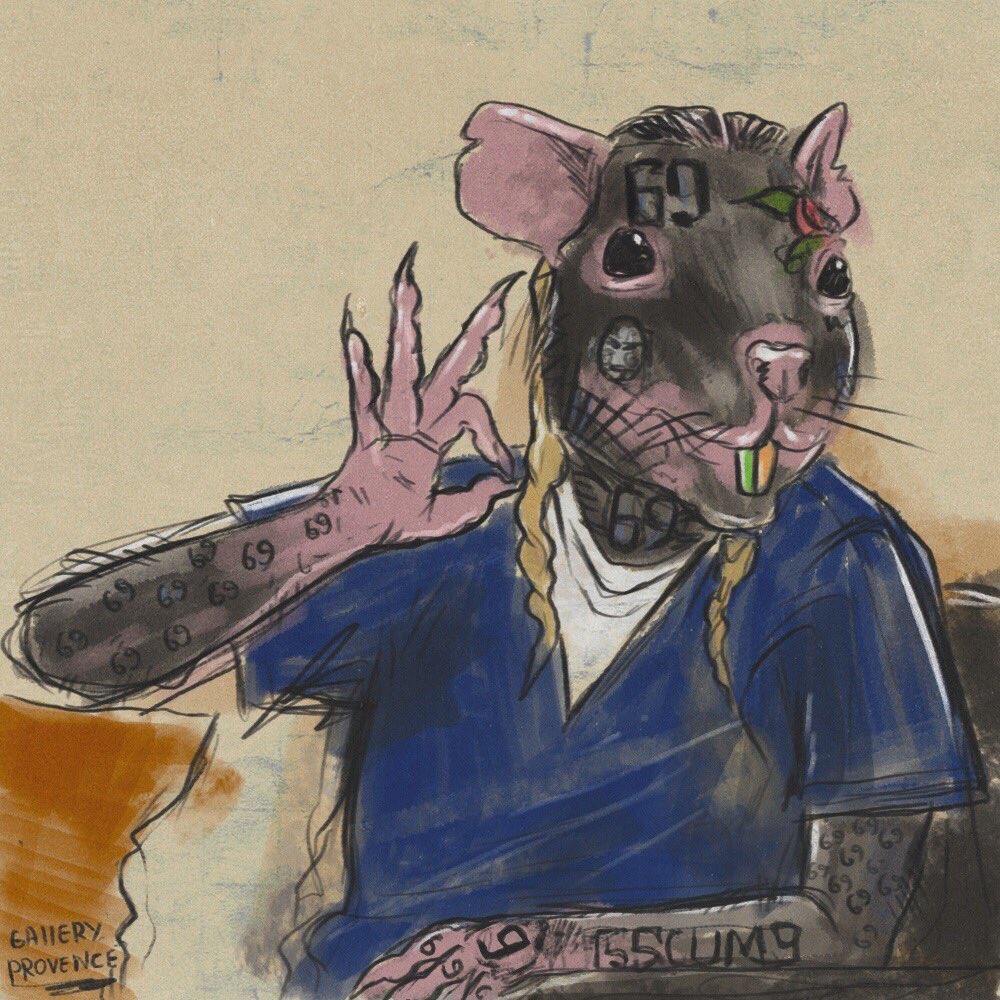
Growing up, I remember I never wanted to be considered a “tattle-tale” or a snitch, and it’s no secret that this same mentality and perspective on snitches exists in our society, specifically within the Black community. But why? Why does our community hate snitches so much? These thoughts came to me as I was on Twitter reading people’s reactions to the 6ix9ine trial. For those who haven’t been keeping up with him, 6ix9ine has been in jail since November of 2018 for charges related to racketeering, drug distribution, weapon possession, and conspiracy to commit murder. Him and eleven alleged members and associates of the Nine Trey Gangsters, are currently on trial for these offences.
Initially, 6ix9ine was denied bail, and pleaded not guilty to these charges, but he later changed his plea and agreed to a deal in which he would have to admit his guilt and testify against the other eleven gang members on trial. If he cooperates, he will face no prosecution or jail time and avoid a minimum 47 year sentence.
Whew, the point is, recently there have been leaked recordings of 6ix9ine testifying against the other defendants and even dropping some big names in hip-hop (Cardi B and Jim Jones are the most recent ones), causing social media to criticize him and label him a snitch. But if you were facing 47+ years in jail, only 23, and the only option you had to get out of it was to snitch on the gang that robbed you and conspired to kill you… would you do it? I know I would with quickness!
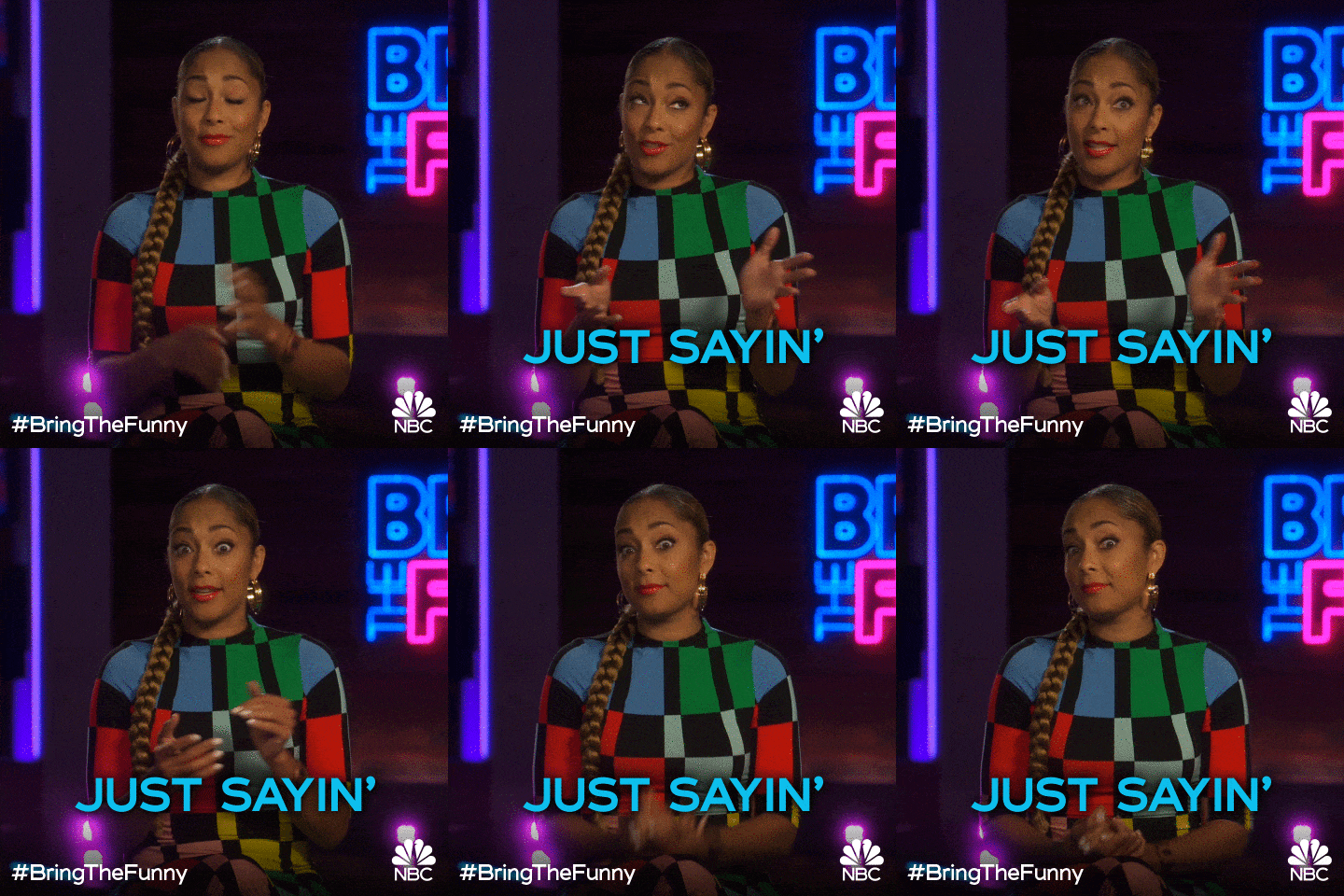
So why is social media, and even some big names in hip-hop, like Snoop Dogg, ridiculing him and Blacklisting him for snitching?
The reason why is because a snitch is one of the most negative labels you can give someone in the Black community. These negative perceptions of snitches are generally associated with urban or hip-hop culture (aka Black culture) and I’ve heard this narrative in numerous songs; there’s even a song by YG called “Stop Snitching,” (which I admit is definitely a top 5 on my playlist right now).
But something had to stimulate this part of our culture and dislike for snitches. My best guess is that it started to manifest when the U.S. government began seeding Black communities with informants that looked like us, so that they could monitor us. As you can see with 6ix9ine, the government currently relies on “snitches” to ensure its usual operation of the justice system, but this has been going on since the 1800s.
For instance, during the enactment of the Fugitive Slave Act (1850), which enforced the enslavement of those who tried to escape, there were some Blacks who made their living by “selling out their people,” and snitching on those that tried to run away.
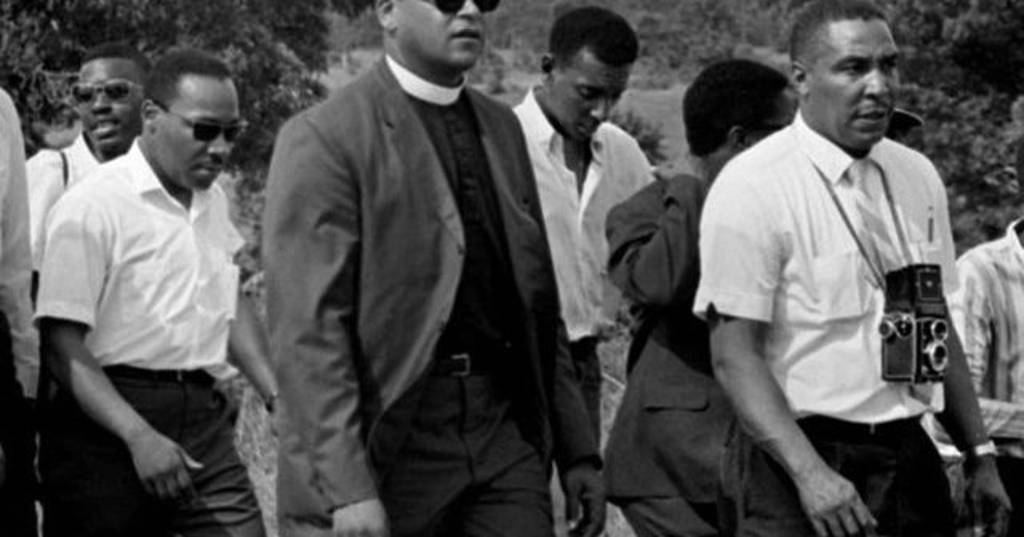
Not only that, but during the Civil Right Movement, the U.S. Government filled the Black community with snitches to monitor the activities of the movement’s participants like Malcom X and Martin Luther King Jr.. The famous African American photo-journalist during the Civil Rights Movement, Ernest Withers, was technically a snitch! He traveled with Martin Luther King Jr. during his public life and it was later discovered after his death, that he was an FBI Informant, paid to provide information on his subjects, one of them being Martin Luther King.
Just like so many other things, being a snitch in the Black community has a deep root. With this history in mind, it makes sense why being a snitch holds the weight that it does. Snitches were once tools used by the government to pin people in our community against each other, so if you are seen as one, you can be seen as adding to the issues in our already marginalized communities.
On the other hand, I think it’s crazy that some people will expect me to take the fall for something someone else did, or that a lot of people in some Black communities would have kept quiet if they witnessed a murder, because of a principal on snitching. There are two sides to this argument against snitches just like there are two sides to 6ix9ine’s decision to take a plea, but I think the bottom line is, we need to evaluate some of the norms and ideals we have in our culture. We need to think about where they come from, were they initially used as tools to break apart our communities, and are they causing harm to us today?
 In Black and Write