With the release of the trailer for Lena Waithe’s new series “Them,” many Black Twitter users went to the platform to express how they’re tired of producers exploiting Black Trauma. “Them” explores the terror in America. Set in the 1950s, this season centers around a Black family who move from North Carolina to an all-white Los Angeles neighborhood during The Great Migration.
Them (2021)
As shown in the trailer this horror series displays how the family is harassed when they moved to this neighborhood. The release of the trailer prompted the discussion of whether or not producers are using Black trauma to create marketable stories. Some comments from Black Twitter users are as follows:
So the question remains, where do we draw the line, if there is one to be drawn. This post will presented a curated list of movies that have been released the last decade to help analyze whether or not Black trauma is being exploited in the film industry.
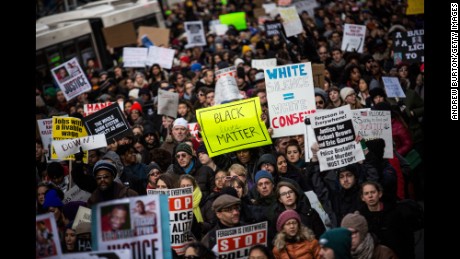
Why does it seem like whenever a Black film receives a “prestigious” movie award, its about slavery, police brutality, or any other topic highlighting Black trauma. Black pain and suffering sells to white audiences and Hollywood seems to capitalize off of this. Ever since the Black lives matter movement, there has been a surge in fictional and biographical Black films about police brutality—lets start in 2015 which can be argued was one of the heights of the Black Lives Matter Movement.
Straight Outta Compton (2015)
Straight Outta Compton (2015) is a biographical drama directed by F. Gary Gray depicting the rise and fall of rap group NWA and its member Dr. Dre, Easy-E, and Ice-CubPolice abuse of power is a huge theme in the film; as the clip shows, the group dealt with police harassment and racial profiling, somethings thats prevalent today. The harassment the group received and the Rodney King Verdict which occurred during this time influenced Ice Cube to write the song “F*ck Tha Police,” a Moto that’s regained attention after recent events.Even though this film has reportedly been in the works since 2010 it’s still one of the first films we see during #BlackLivesMatter, which sets the stage for how other movies depict police in films
13th (2016)
13th (2016) is a documentary by Ava DuVernay that explores the “intersection of race, justice, and mass incarceration in the United States; it is titled after the 13th amendment which abolished slavery throughout the United States and ended involuntary servitude except as a punishment for conviction of a crime.
Because these two films are based on real events, one can argue that they are tastefully done when touching on the topic of police brutality and Black trauma. However, the same cannot be said for many movies that come later one.
As New York Times writer and editor Aisha Harris said “as more artists — especially those who are not black — wade into this sensitive territory, the line between thoughtful examination and clumsy exploitation can become muddled.”
Detroit (2017)
Detroit (2017) is based on the Algiers Motel incident during Detroit’s 1967 12th Street Riot, where three teenage civilians, all of them black, were beaten and killed by members of the Detroit Police Department. Critics have argued that the film does little for the development of the characters, outside of their suffering they exist only in relation to their oppression. The film is also almost unbearable; as the clip portrays, the camera angles intentionally highlight the sufferings of the victims and harsh racist rhetoric is being used excessively.
The film was written, directed and produced by white filmmakers Mark Boal andKathryn Bigelow. The question that this sparks is if it’s okay for white filmmakers to tell Black stories, especially one as traumatic as this one. Why did they feel like they needed to tell this story if not to make it profitable and marketable to a specific audience?
The Hate You Give (2018)
In this film based on The NY Times Best selling books, Starr, a high school senior witnesses her friend Khalil get shot by police officer, grand jury fails to indict the officer erupts in protest in riots, that emulates the Black Lives Matter movement
In this clip, Starr’s uncle and father figure who is a police officer, Carlos, is seen justifying the death of her friend. The conversation that they have about the death of her friend dehumanizes the death of her friend Khalil. In the clip he says, “when I see a gun, I shoot,” which justifies the real life acts of many cops. It’s important to note that this scene was not in the book, and it’s questionable whether character would’ve said something like this in the novel.
White Americans and filmmakers cant take the concept that the whole criminal justice systems needs to be reprimanded and reevaluated, so they use films like this to paint this picture that “all cops aren’t bad” by using Black cops as heroic figures that break the stigma. Again this is a prime example of Hollywood exploiting Black trauma and changing the narrative to fit their own agenda.
Monsters and Men (2018)
Monsters and Men (2018) is a drama inspired by, among other cases, that of Eric Garner, a Black man in New York who in 2014 died in a police officer’s chokehold as an onlooker filmed the event on his phone.
In this film, the aftermath of a police killing of a Black man, told through the eyes of the bystander who filmed the act, an African-American police officer and a high-school baseball phenom inspired to take a stand.
Hollywood uses Black trauma to develop their own narrative as the “good Black cop” character is developed through, Dennis, a Black police officer in the film who has faith in the institution .
Blindspotting (2018)
Like this film, many films centered around Black trauma start with the killing of a Black body, or the dehumanization of a Black person to capture the audience’s attention. In Blindspotting (2019), a felon with three days left of probation, is the only eyewitness to the shooting of a young Black man by a white police officer. As shown in the trailer, the shooting is brief and dehumanized because people are so conditioned to Black people getting shot by police officers. This concept has become normalized and is no being used for entertainment.
Tired of Seeing Us Suffer
While these films and shows about Black Trauma are being released, Black people everywhere are experiencing real trauma as a result of racism and oppression. This curated list of films displays that we need to be more sensitive towards this issue and realize that it is our reality, these films are dehumanizing this reality and turning Black trauma into spectacle. Black creatives like Lena Waithe need to think about they tell our stories . When we use trauma as a means of entertainment, it normalizes black suffering, social media is already aiding this with the constant reposting of the killings of Black bodies and Black trauma, we don’t need to constantly see the same thing in movies and films.
.
 In Black and Write